Physical therapy is often described as a way to get back on your feet after an injury or surgery, and that is true as far as it goes. But for many of the patients we work with here at Professional Healthcare Resources, physical therapy at home is something deeper than a set of exercises. It is a gradual, carefully guided process of rebuilding confidence, function, and independence in the very place where real life happens.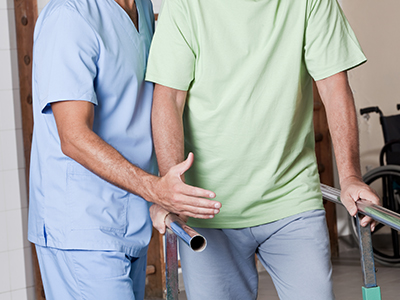
Recovery and Rebuilding Are Not the Same Thing
There is an important distinction worth drawing here. Recovery is often defined by a medical milestone: the wound closes, the surgery site heals, the fever breaks. Rebuilding is something else entirely. It is regaining the ability to walk from the bedroom to the kitchen without fear. It is learning to trust your body again after a fall, a stroke, or a long hospitalization. It takes longer, it is more personal, and it almost always unfolds more effectively at home than in a clinical setting.
When a physical therapist comes to a patient’s home in Annandale, Arlington, or any of the communities across Washington, DC that we serve, they are not working in a gym with standard equipment and a controlled floor plan. They are working in the actual environment where that person lives. That matters enormously. The front steps, the bathroom layout, the distance between the bed and the living room chair: these are the real obstacles, and addressing them directly is what makes home-based physical therapy so meaningful.
What Home-Based Physical Therapy Actually Looks Like
Our licensed physical therapists begin with a thorough assessment, looking at strength, balance, mobility, and how a patient moves through their own space. From there, a plan is developed that reflects both the clinical picture and the patient’s personal goals. For one person, the goal might be returning to independent grocery shopping. For another, it might simply be getting up from a chair without assistance.
Sessions focus on functional movement, which means exercises and activities that directly connect to daily life. Gait training, fall prevention strategies, strengthening routines, and range-of-motion work are all common, but they are always practiced in the context of that individual’s home and habits. A patient recovering from a hip replacement in Baltimore has different priorities than someone in Lanham managing the effects of Parkinson’s disease, and we approach each situation accordingly.
We also work closely with our occupational therapy team, because physical and occupational therapy often overlap in meaningful ways. Together, these disciplines help patients not only move more safely but live more fully.
Why the Home Setting Changes Everything
There is a well-documented difference in how people respond to rehabilitation in a familiar environment compared to an institutional one. Anxiety tends to be lower. Motivation tends to be higher. Patients are more honest about what they can and cannot do when they are in their own space, which gives our therapists a much clearer picture of actual progress and real barriers.
For patients across the Kensington area, across Arlington, and throughout the neighborhoods we serve in Washington, DC and surrounding areas, eliminating the need to travel to an outpatient clinic also removes a significant practical burden. For someone who is post-surgical, managing a chronic condition, or simply not yet steady enough to get in and out of a car comfortably, that matters in ways that go beyond mere convenience.
Being nurse-owned and operated, we have always understood that care does not stop at a clinical checklist. Our clinical staff communicates regularly, progress is tracked through our electronic medical records system, and family members are brought into the process as much as the patient wishes. Nothing falls through the cracks simply because care is happening at home rather than in a facility.
Who Benefits Most from Physical Therapy at Home
Home-based physical therapy is appropriate for a wide range of patients. Those recovering from orthopedic surgery, stroke, cardiac events, or a serious illness often qualify. Older adults who have experienced a fall, or who are at risk of falling, frequently benefit enormously. Patients managing conditions like multiple sclerosis, arthritis, or COPD may receive ongoing therapy to preserve function and slow decline.
Medicare, Medicaid, and Medicaid Waivers may cover home health physical therapy for patients who meet homebound criteria, and we are glad to help families in Baltimore, Lanham, and across our service area understand what coverage may be available to them.
A Different Kind of Progress
The work our physical therapists do is not measured in reps and sets. It is measured in a patient walking to the mailbox for the first time in months, or sleeping through the night without worrying about getting to the bathroom safely. That is the kind of progress that changes a person’s quality of life, and it is the reason we believe so strongly in bringing skilled, compassionate physical therapy directly into the home.
If you or someone you love is looking into home physical therapy options, we would be glad to answer your questions. Please feel free to give us a call or drop us an email, and we will take it from there.