Importance of Occupational Therapy for Stroke (CVA) patients
Occupational Therapy (OT) plays a vital role in the rehabilitation and recovery of patients who have experienced a stroke, also known as a cerebrovascular accident (CVA). A stroke often results in physical, cognitive, perceptual, and emotional impairments that significantly affect a person’s ability to perform activities of daily living (ADLs). The primary goal of occupational therapy is to help stroke survivors regain independence and improve their quality of life. Professional Healthcare Resources provides occupational therapy in Washington D.C., Baltimore, Arlington, Lanham, Annandale, Kensington, MD and surrounding areas.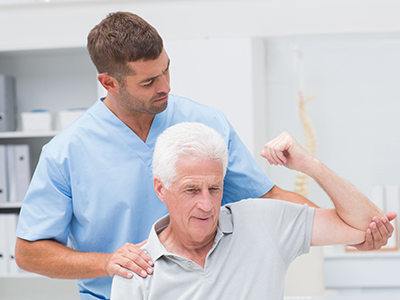
- One of the key contributions of OT is restoring functional abilities needed for daily tasks such as dressing, bathing, eating, grooming, and toileting. Occupational therapists assess the patient’s strengths and limitations and design individualized treatment plans to improve motor control, coordination, balance, and upper limb function. Through therapeutic exercises, task-oriented training, and adaptive techniques, patients learn to use affected limbs more effectively or compensate for deficits.
- OT also addresses cognitive and perceptual impairments commonly seen after stroke, including memory loss, poor attention, problem-solving difficulties, and visual–spatial deficits. Therapists use structured activities to enhance cognitive functioning and help patients relearn skills necessary for safe and effective daily performance. This is particularly important for returning to work, managing household tasks, and community participation.
- Another important aspect of OT is promoting safety and preventing complications. Occupational therapists recommend adaptive equipment, environmental modifications, and energy conservation techniques to reduce fall risk and support independent living. They also educate patients and caregivers on proper positioning, joint protection, and safe transfer techniques.
- In addition, occupational therapy supports emotional and psychosocial recovery. Stroke survivors may experience depression, anxiety, and loss of confidence. OT interventions encourage meaningful activity, goal setting, and gradual reintegration into social roles, which helps improve self-esteem and motivation.
Overall, occupational therapy is essential in stroke rehabilitation as it focuses on holistic recovery—addressing physical, cognitive, emotional, and environmental factors—enabling stroke patients to achieve maximum independence and a better quality of life. Interested in discussing this further? Call or email us anytime!