After a hospital stay or a serious illness, getting back to everyday life at home is rarely as simple as it sounds. Personal care support can make all the difference during that window, helping seniors regain confidence, stay safe, and avoid unnecessary setbacks. At Professional Healthcare Resources, we see this transition up close, and we know how much the right kind of help matters in those first weeks and months back home.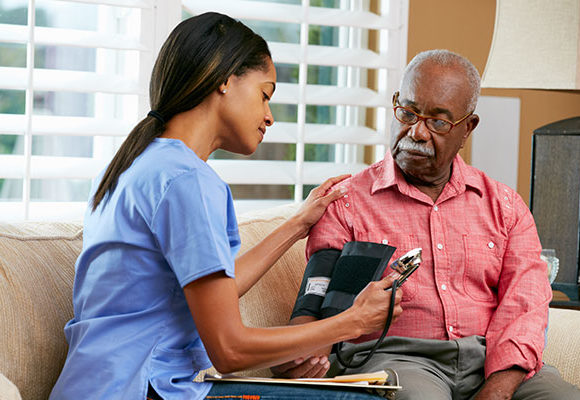
What the Transition Home Actually Looks Like
Discharge day can feel like a relief, but it often brings a quieter set of challenges. A senior who was managing independently before a hospitalization may find that bathing, dressing, preparing meals, or even getting from one room to another takes more out of them than expected. Fatigue is real. Strength takes time to rebuild. And for family members stepping in to help, the learning curve can be steep, especially when they have jobs, children, and their own lives to balance.
This is the gap that in-home personal care is designed to fill. It is not medical care in the clinical sense, though it often runs alongside skilled nursing or therapy services. It is hands-on, daily assistance that meets a person where they are, physically and emotionally, while they find their footing again.
What Personal Care Support Covers
Our personal care services focus on the practical, day-to-day activities that keep life running. That includes help with bathing and grooming, dressing, mobility and transfers, light housekeeping, meal preparation, and companionship. For seniors recovering from surgery, a stroke, or a long hospitalization, having a trusted aide present can reduce the risk of falls and prevent small problems from turning into larger ones.
For those dealing with a chronic condition or simply the effects of aging, personal care offers something equally valuable: the ability to stay at home rather than moving to a facility before that step is truly necessary. Many families in Arlington, Annandale, and surrounding areas tell us that keeping a loved one in a familiar environment, with familiar routines, has a genuine impact on their mood and their recovery.
How It Works Alongside Other Services
Personal care rarely stands alone. Many of our clients in Baltimore, Kensington, Lanham, and across the region receive a combination of services, perhaps skilled nursing visits a few times a week, physical or occupational therapy to rebuild strength and function, and personal care aides providing daily support in between. Because we are a nurse-owned and operated agency, our team understands how these pieces connect and can coordinate care thoughtfully across disciplines.
We also use Homecare Homebase, an electronic medical records platform, so that every member of a patient’s care team has accurate, current information. That kind of coordination matters more than most people realize. It means fewer gaps, better communication, and a cleaner handoff if a patient’s needs change.
For families who are concerned about cost, it is worth knowing that we accept Medicaid and Medicaid Waivers in addition to private pay options. Navigating coverage can feel overwhelming, and we are happy to help families understand what may be available to them.
The Emotional Side of Coming Home
It is easy to focus on the physical tasks and overlook what a major transition this is emotionally. Seniors sometimes feel vulnerable or frustrated by how much help they need. Some feel isolated, particularly if mobility is limited or if they live alone. A consistent, caring aide can provide not just physical assistance but real human connection, someone who shows up, pays attention, and helps a person feel less alone in a difficult stretch.
This is something we take seriously across all of our service areas, from Washington, DC and Arlington to Baltimore and the communities in between. Dignity and respect are not extras in our care model. They are central to it.
Knowing When to Ask for Help
Families often wonder whether they are asking for help too soon, or worry they should be able to manage on their own. In our experience, the families who reach out earlier tend to have smoother recoveries overall. Personal care support is not a sign that something has gone wrong. It is a practical, thoughtful way to make sure someone you love has the best possible chance of getting back to the life they want.
If you have questions about personal care or any of our home health services, please give us a call or drop us an email. We are glad to talk through what might make sense for your family.